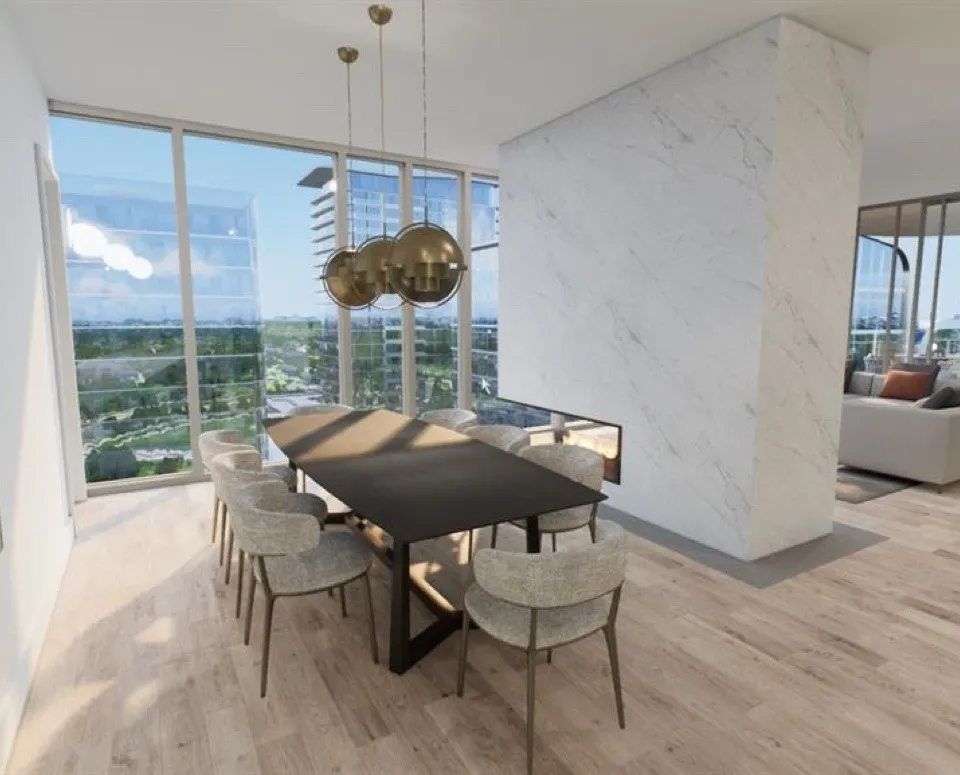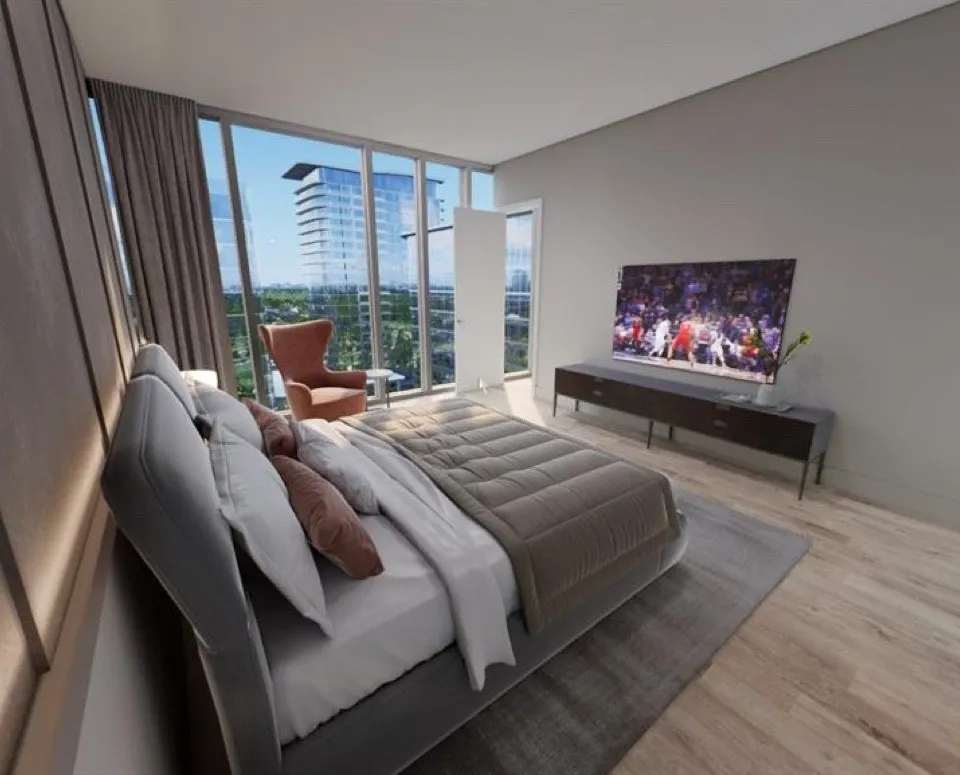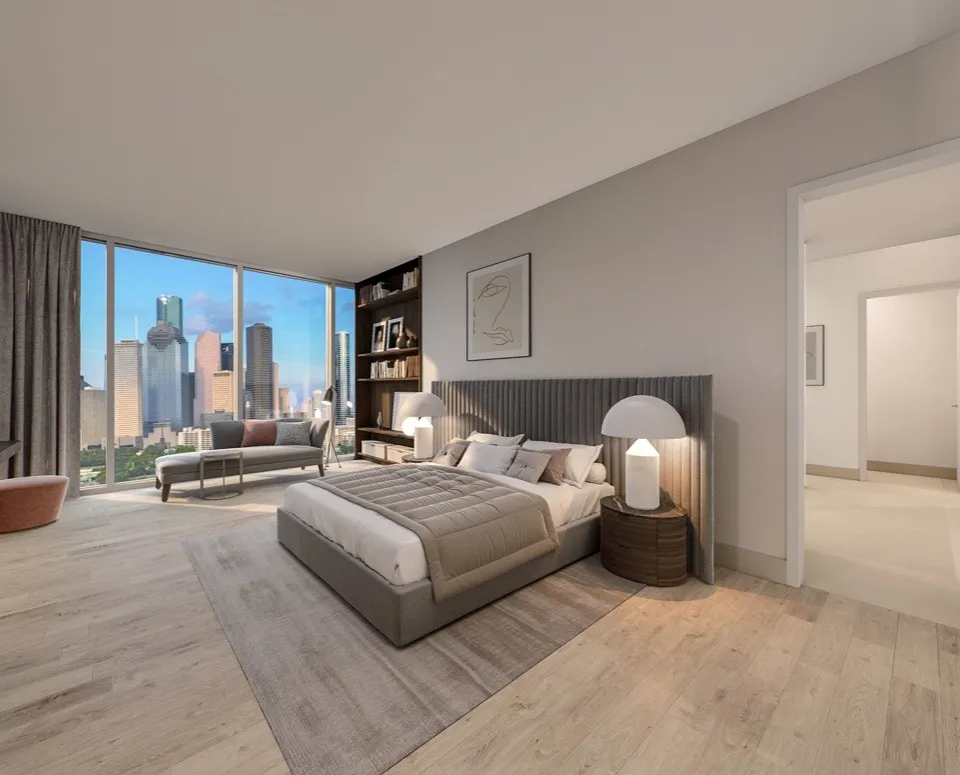

- Flooring
Wood Flooring vs. LVP: Why Some Houston Homeowners Will Only Have the Real Thing
July 9, 2026
The technology behind luxury vinyl plank has become genuinely impressive. Today’s SPC products replicate wood grain texture with a level of detail that would have been unrecognizable a decade ago. The embossing, the sheen variation, the plank width options — manufacturers have invested billions in making LVP look like the real thing.
And yet, for a meaningful segment of Houston homeowners, the conversation ends before it starts. They’re buying wood. Not because they haven’t heard of LVP, not because they don’t know it’s more durable in certain ways — but because durability is not what they’re shopping for.
Understanding this buyer is important. Not every flooring decision is a comparison chart. Some of them are about something harder to quantify.
The Wood Buyer Isn’t Optimizing for Specs
When someone walks into a flooring showroom looking specifically for hardwood, they’re typically not there to find the floor with the best scratch resistance or the lowest maintenance profile. They’ve already made a different calculation.
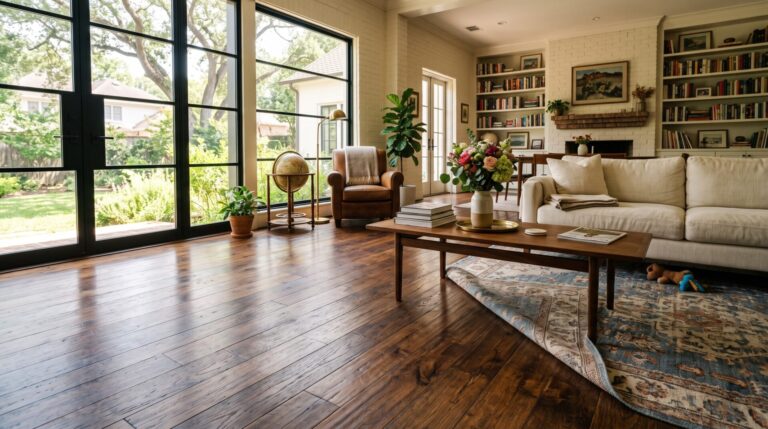
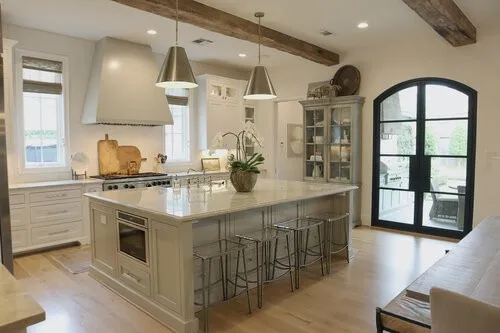
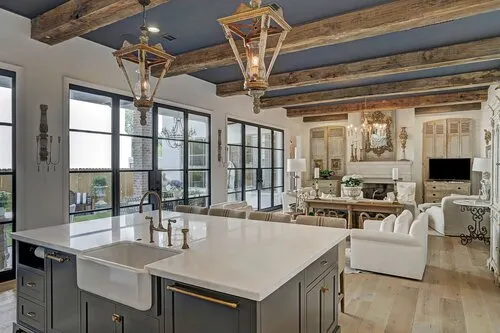
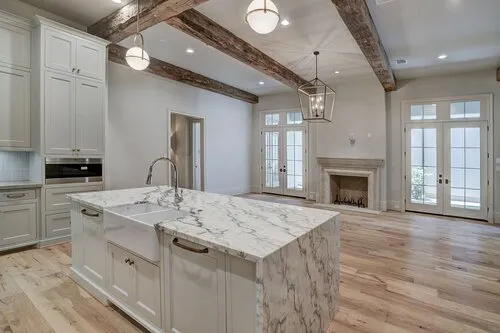
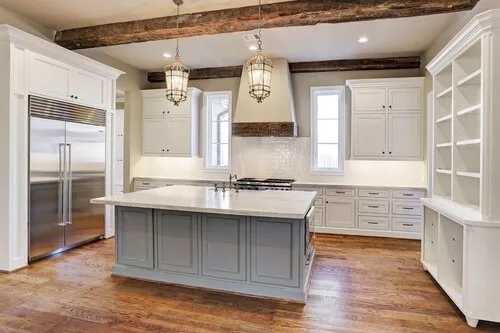
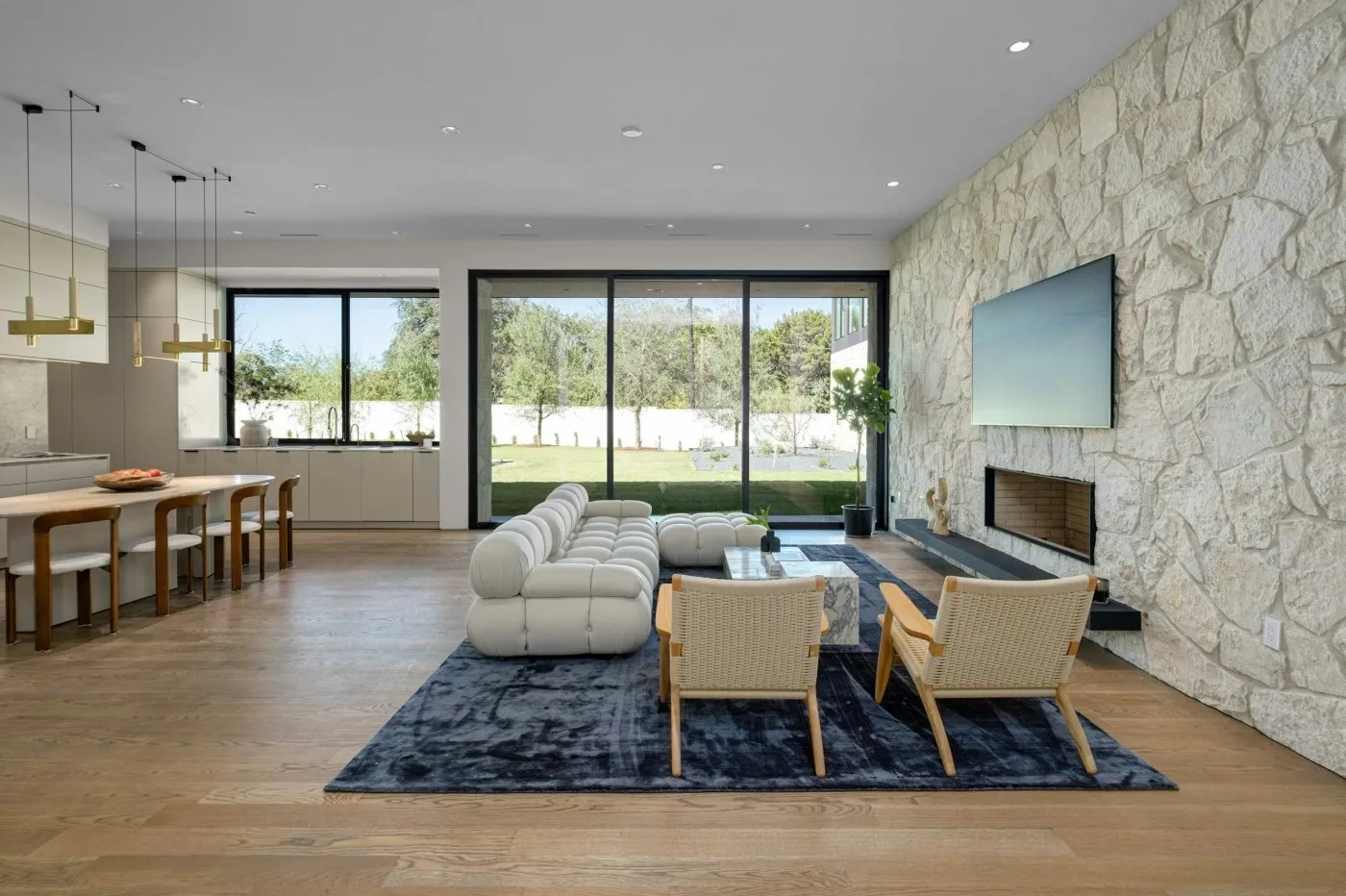
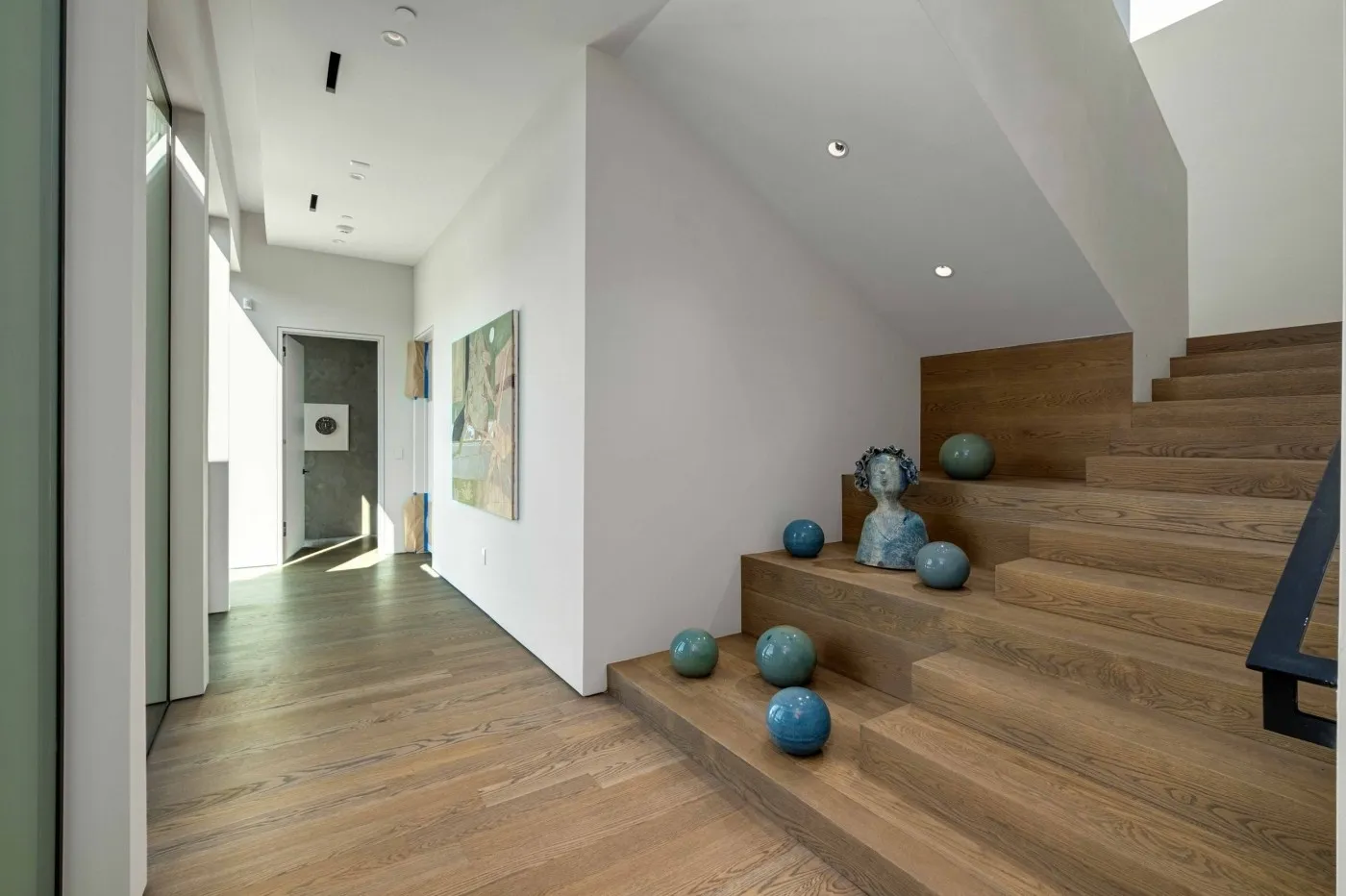
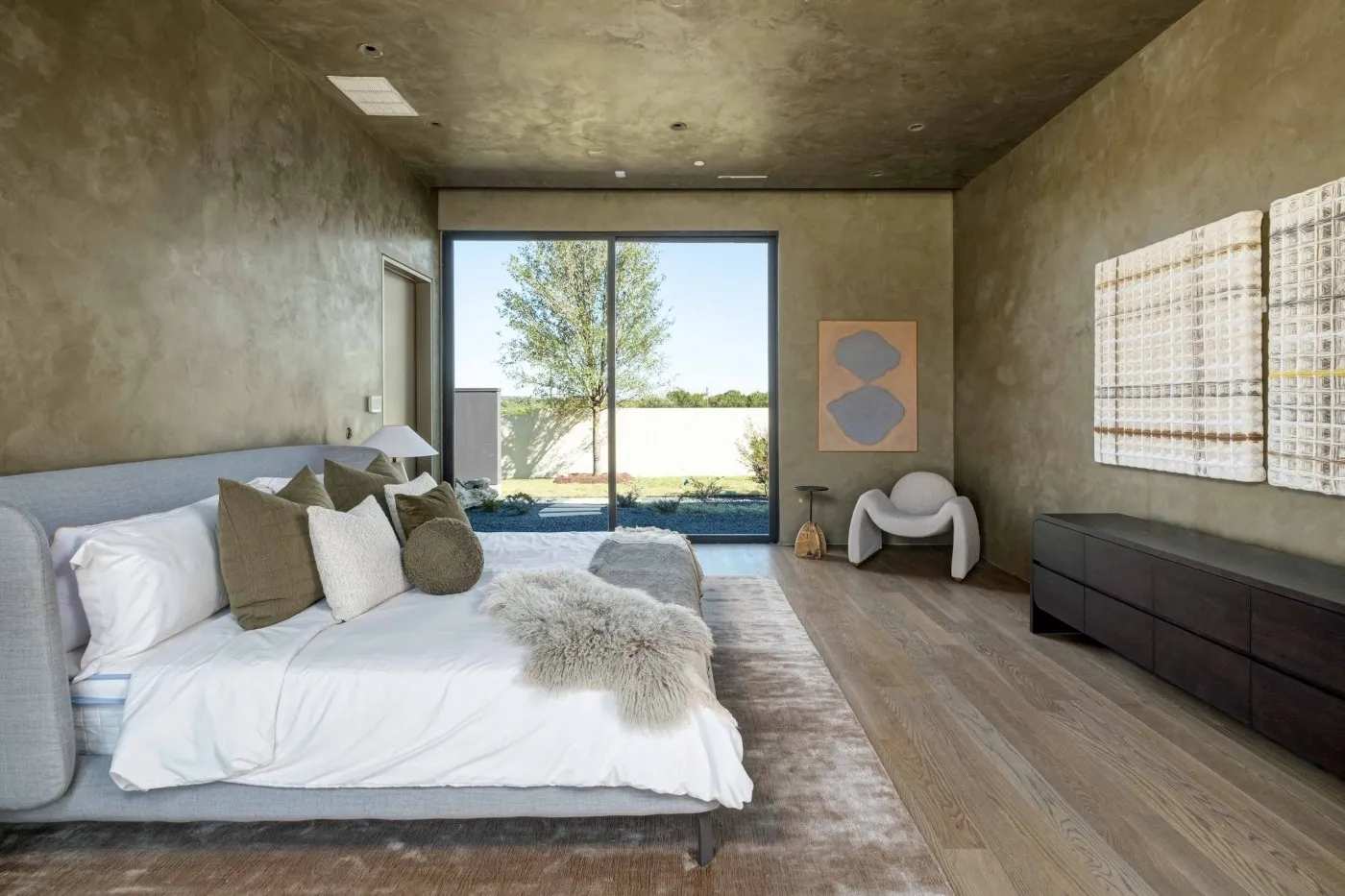
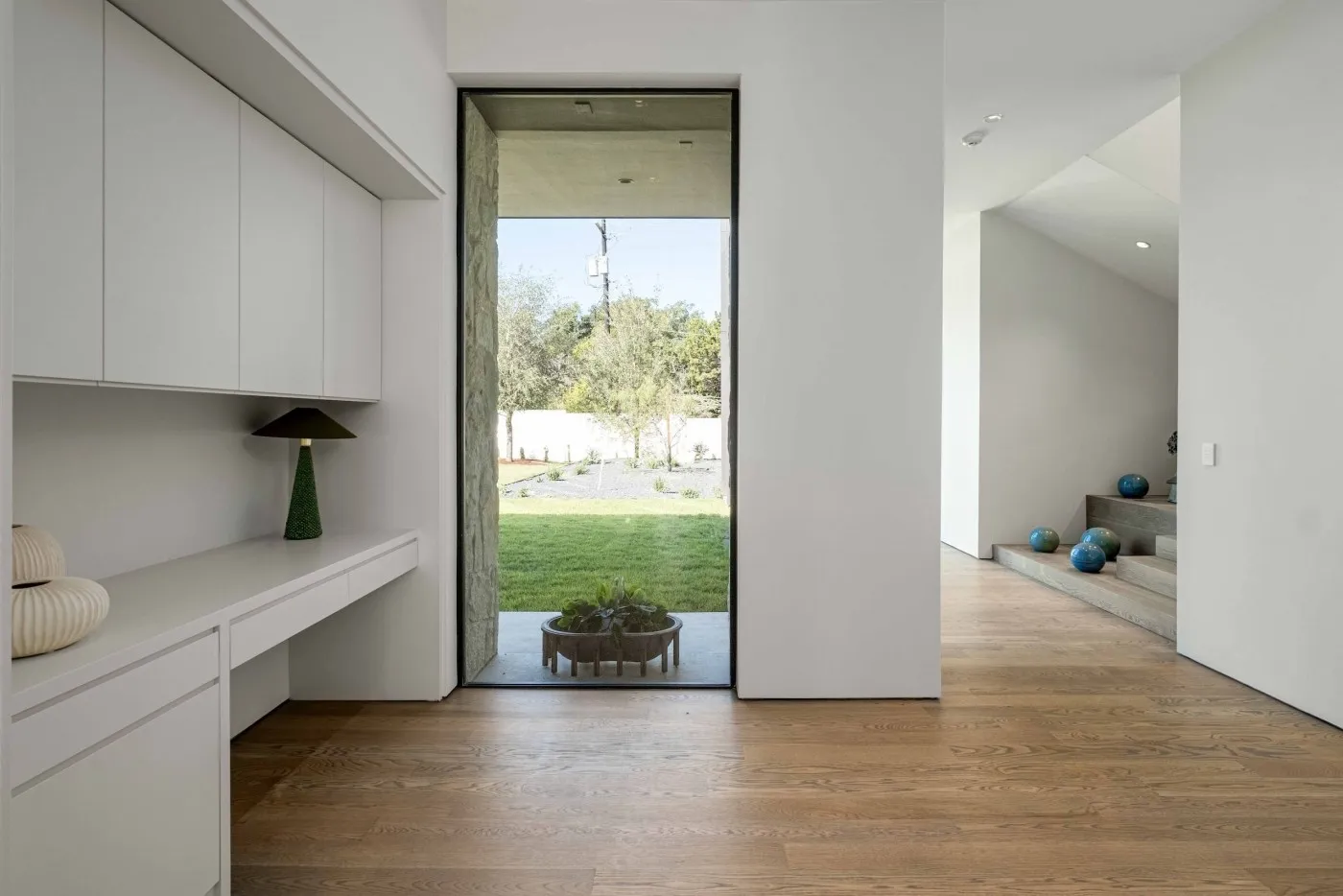
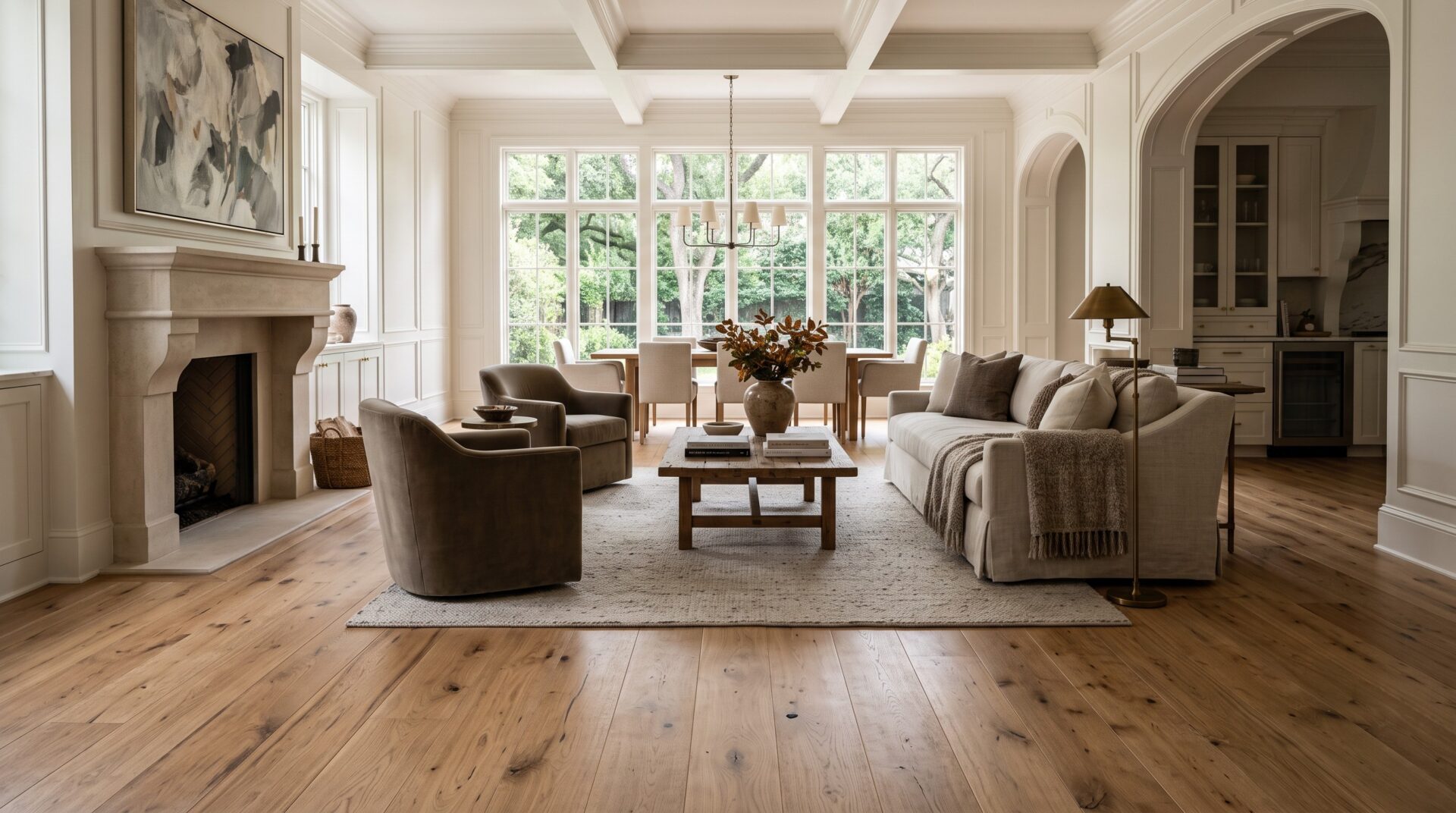
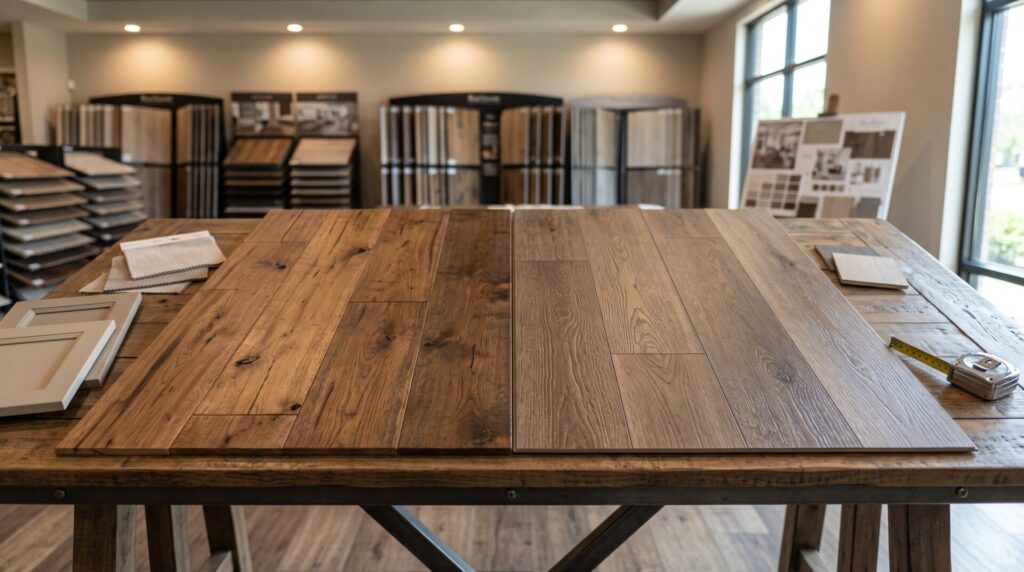
Wood flooring has something no engineered or composite product can replicate: it’s genuinely unique. A wood floor in one Houston home looks different from a wood floor in any other home, because the natural variation in grain, color, and figure in wood means no two floors are the same. Not even two floors made from the same species and the same mill run will look identical once installed, trimmed, and finished in a specific room with specific light.
That uniqueness is the point. Homeowners who choose wood are buying a floor that is specifically, irreplaceably theirs.
Beauty Marks and Patina: The Case for Imperfection
Here’s something that might surprise you: many committed wood floor owners don’t want a perfect floor.
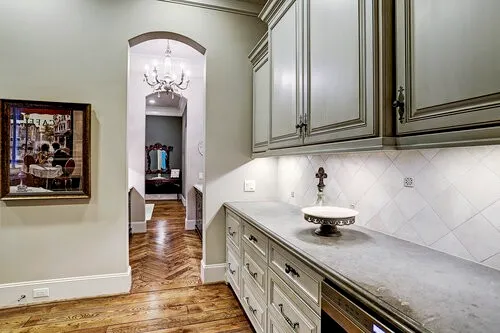
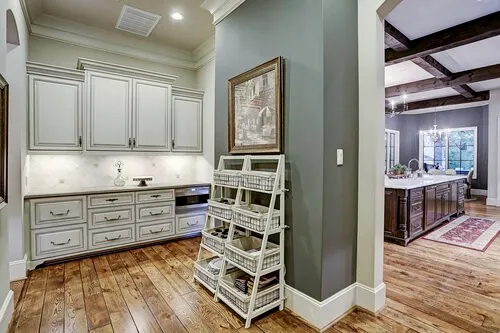
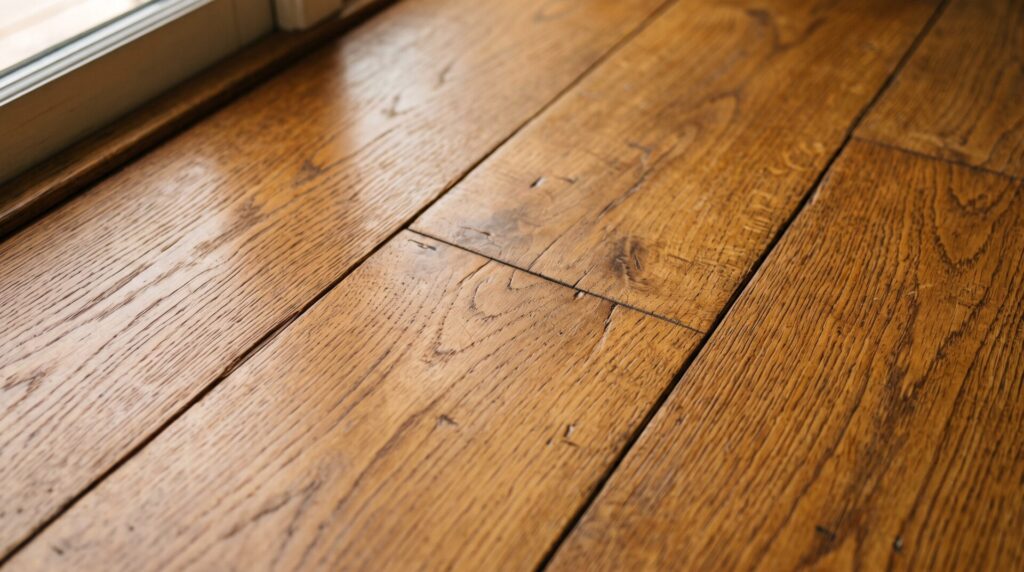
Wood floors develop what flooring professionals sometimes call “beauty marks” — small dents, the occasional scratch, the gradual shift in color that comes from years of sun exposure and foot traffic. A dog’s nails across a century-old oak floor leave traces that become part of the home’s story. A dining table leg that leaves a slight compression mark in white oak becomes evidence of meals shared rather than damage to be corrected.
This is called patina, and it’s something wood acquires that no LVP product simulates convincingly after installation. In fact, the more convincingly an LVP replicates new wood, the more it highlights the absence of patina over time — the floor looks the same at year ten as year one, which can paradoxically feel less natural as the house itself ages around it.
For the homeowner who loves wood, that evolving character is a feature, not a flaw.
Where Houston Wood Buyers Shop
The Houston market has a strong contingent of hardwood buyers concentrated in specific areas and household profiles. In neighborhoods like River Oaks, Tanglewood, and Memorial — where older homes have the bones to support it and owners invest in long-term renovation rather than quick flips — wood flooring is the expectation rather than the exception.
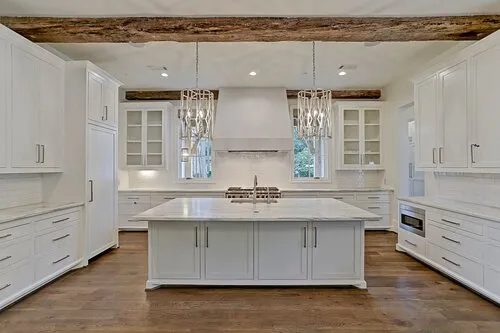
Newer construction in Fulshear, Katy’s premium subdivisions, and The Woodlands also sees significant demand for custom hardwood, particularly in primary bedrooms, offices, and formal living areas where the investment is visible and appreciated over time.
At Roberts Carpet & Fine Floors, our hardwood flooring options include both prefinished engineered hardwood and custom sand-and-finish hardwood installed by our Quorum commercial and residential team — one of the few crews in Houston with the experience and craft to execute custom hardwood at the level these homes demand.
So When Does LVP Win?
To be clear: this article isn’t arguing that wood is always the right choice. It isn’t.
LVP wins decisively in moisture-prone areas — bathrooms, laundry rooms, spaces below grade, or any area of a Houston home with documented moisture issues. It wins in spaces with heavy rolling traffic. It wins for homeowners who need durability above all else and have no particular attachment to natural material.
It also wins on price in most direct comparisons — installed hardwood in Greater Houston typically runs significantly higher per square foot than comparable LVP, which is a meaningful factor for large-area projects.
The question isn’t which product is objectively better. It’s which product is right for this homeowner, in this room, with this lifestyle. That’s a question only a knowledgeable flooring specialist can answer well — and it’s the conversation our team has every day.
Making the Right Call
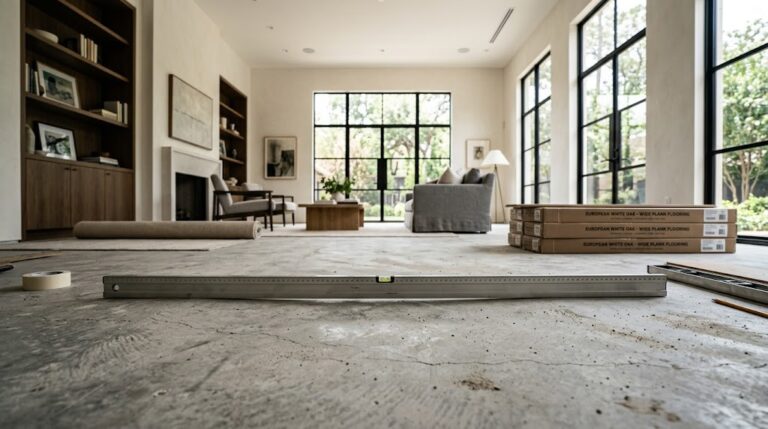
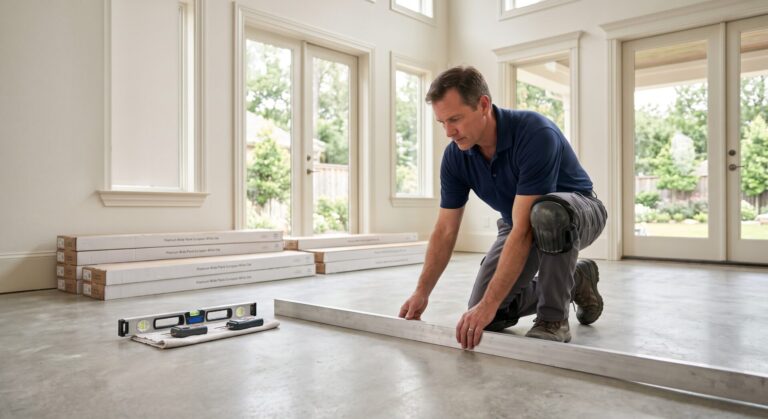
If you’re drawn to wood, the most important questions are practical ones: What’s the installation environment? Does the subfloor and foundation support the type of hardwood you want? Is the room’s humidity and climate exposure suitable for your species choice?
These are questions our team at Roberts Carpet can help you work through. As members of the National Floorcovering Alliance, we have access to premium hardwood products and the installation expertise to deliver results that justify the investment.
And if the wood aesthetic appeals to you but the budget, application, or moisture conditions push you toward LVP — we carry luxury vinyl options that represent the best of what engineered flooring can do. The goal isn’t to sell you wood. It’s to sell you the right floor.
Frequently Asked Questions
Is hardwood flooring worth the extra cost over LVP in Houston?
For the right buyer in the right application, yes. Customers who prioritize the unique natural character of real wood, the patina it develops over time, and the quality of a truly one-of-a-kind floor will find the premium worthwhile. For buyers who prioritize durability, moisture resistance, and lower cost, high-quality LVP is the more practical choice.
Can you install real hardwood in a Houston home given the humidity?
Yes, with the right species selection, acclimation process, and professional installation. Engineered hardwood is often the better choice in Houston’s humid climate because its cross-ply construction resists the expansion and contraction that solid hardwood experiences. Our team can advise on the right approach for your specific home and location.
What makes wood flooring look different from LVP over time?
Wood develops patina — gradual changes in color, surface texture, and character that result from sun exposure, foot traffic, and age. These changes make a wood floor look more settled and distinctive over time. LVP maintains a consistent appearance that accurately reflects the factory finish, which some buyers prefer and others find less appealing as the home itself ages.
Do wood floor buyers care about scratch resistance?
Generally, no — not as their primary decision factor. Buyers who choose wood typically prioritize natural character and uniqueness over scratch resistance. For buyers where scratch resistance is non-negotiable, an SPC product with a premium wear layer is a more appropriate recommendation in high-traffic areas.
What types of hardwood does Roberts Carpet offer in Houston?
Roberts Carpet carries prefinished engineered hardwood from leading manufacturers including Kährs, Anderson Tuftex, Alston, and Robbins. We also offer custom sand-and-finish hardwood through our Quorum installation team — a capability that allows us to produce truly one-of-a-kind floors in species, widths, stains, and finishes not available off the shelf.
Considering hardwood flooring for your Houston home? Visit any of our nine Greater Houston showrooms to see the full range of wood species, engineered options, and custom finishes available. Book a complimentary estimate and let our team help you find — or build — the floor that’s specifically yours.